 (813) 355-8898
 Schedule Now
 Proudly Serving The Tampa Area
 Join Our Comfort Plan

 Schedule Service
 (813) 355-8898



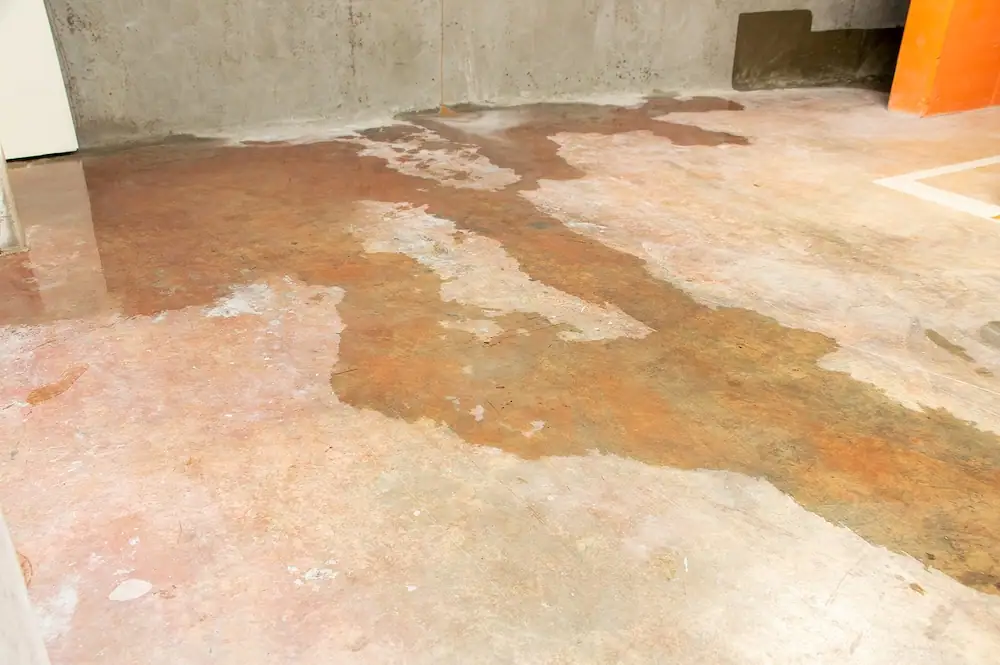
Opening your monthly water bill and discovering an unexpected increase can be frustrating, especially when your household's water usage hasn't changed. While higher bills sometimes result from seasonal watering or additional household activity, they can also indicate hidden plumbing problems.
For homeowners in Tampa, FL, running toilets, leaking pipes, damaged water lines, and irrigation problems can waste water without obvious warning signs. Some leaks develop behind walls, beneath concrete foundations, or underground, making them difficult to detect.
Understanding the common causes of a sudden water bill increase can help you identify problems early and avoid unnecessary water waste or expensive repairs.
Why Did My Water Bill Suddenly Increase?
A sudden increase in your water bill may be caused by hidden plumbing leaks, running toilets, dripping faucets, irrigation problems, or damaged underground water lines. If your household's water consumption hasn't changed, an unexplained increase may indicate a leak that needs attention.
However, a higher bill doesn't always mean there's a plumbing problem. Changes in utility rates, billing periods, outdoor watering, or household occupancy can also affect your total.
Start by comparing your current and previous bills to determine whether your actual water consumption increased.
1. Running Toilets Can Waste Water Without You Noticing
A running toilet is one of the most easily overlooked causes of high water bills.
Water can continuously leak from the toilet tank into the bowl, even when nobody is using it.
Can a Running Toilet Cause a High Water Bill?
Yes. Common causes include:
- Worn or damaged toilet flappers
- Malfunctioning fill valves
- Improperly adjusted floats
- Water continuously entering the overflow tube
Some toilet leaks are nearly silent, allowing water to flow unnoticed.
How Do You Check a Toilet for Leaks?
Add a few drops of food coloring to the toilet tank and wait approximately 10 to 15 minutes without flushing.
If color appears in the bowl, water may be leaking through the flush valve.
Replacing a worn component may resolve the problem, but persistent leaks should be evaluated by a professional plumber.
2. Hidden Plumbing Leaks Behind Walls or Under Floors
Not every plumbing leak creates an obvious puddle.
Supply lines running behind walls, beneath floors, or above ceilings can develop leaks that remain hidden for weeks or longer.
What Are the Signs of a Hidden Water Leak?
Watch for:
- Water stains on walls or ceilings
- Damp flooring or cabinets
- Musty odors
- Peeling paint or bubbling drywall
- Unexplained moisture
- Reduced water pressure
- Water meter activity when fixtures are off
Hidden leaks can damage drywall, flooring, insulation, and other building materials.
How Do Plumbers Find Hidden Water Leaks?
Professional plumbers may use moisture detection equipment, acoustic leak detection, pressure testing, or thermal imaging to help locate concealed leaks.
These diagnostic methods can help identify the source without unnecessary demolition.
3. Slab Leaks Beneath Tampa Homes
Some Tampa homes have plumbing lines running beneath or within concrete slab foundations.
When one of these pipes develops a leak, water may escape without immediately becoming visible.
Can a Slab Leak Cause Your Water Bill to Spike?
Yes. A leaking water supply line beneath a concrete foundation can continuously waste water, causing an unexpected increase in consumption.
Slab leaks may develop because of pipe corrosion, deterioration, movement, or installation-related problems.
What Are the Warning Signs of a Slab Leak?
Potential signs include:
- Unexplained increases in water bills
- Warm spots on flooring from hot water line leaks
- Damp or discolored floors
- Sounds of running water when fixtures are off
- Reduced water pressure
- Moisture near the foundation
Because slab leaks can contribute to flooring damage and other moisture problems, prompt professional leak detection is important.
4. Dripping Faucets and Leaking Plumbing Fixtures
A dripping faucet may seem like a minor inconvenience, but persistent leaks can waste water around the clock.
Can a Small Faucet Drip Really Increase Your Water Bill?
Yes. Even a slow, continuous drip adds up over time.
Common causes include worn washers, damaged cartridges, deteriorated seals, and loose plumbing connections.
Which Plumbing Fixtures Should You Inspect?
Check:
- Kitchen and bathroom faucets
- Showerheads and bathtub spouts
- Under-sink supply connections
- Washing machine hoses
- Dishwasher connections
- Outdoor hose bibbs
Look for visible dripping, corrosion, or moisture around connections.
Repairing leaking fixtures can help reduce unnecessary water consumption and prevent additional damage.
5. Underground Water Line Leaks
A leak in your underground water supply line can cause water bills to rise even when indoor fixtures appear to work normally.
These leaks may develop between the water meter and your home, depending on the plumbing layout.
How Do You Know If Your Underground Water Line Is Leaking?
Warning signs include:
- Unusually wet areas of the yard
- Soft or muddy soil during dry weather
- Unexpectedly green patches of grass
- Reduced water pressure
- Persistent water meter activity
- Unexplained increases in water usage
Underground leaks can be difficult to locate without specialized equipment.
A professional plumber can evaluate the water line and determine whether repair or replacement is necessary.
6. Irrigation System Leaks and Outdoor Water Usage
Outdoor watering is another potential contributor to higher water bills in Tampa.
Sprinkler systems can waste water when components break or operate incorrectly.
Can a Broken Sprinkler System Increase Your Water Bill?
Yes. Common irrigation problems include:
- Cracked underground irrigation lines
- Broken sprinkler heads
- Malfunctioning valves
- Incorrect watering schedules
- Leaks that continue after the system shuts off
Because many irrigation systems operate early in the morning, problems may go unnoticed.
How Can You Check for Irrigation Leaks?
Inspect sprinkler heads while the system operates and look for pooling water or unusually soggy areas.
Review your irrigation controller settings and check for water flow when the system should be off.
Some Tampa properties have separate irrigation meters, so review the appropriate utility account when investigating outdoor water usage.
7. Aging or Damaged Plumbing Pipes
Plumbing pipes and connections can deteriorate over time.
Depending on the materials and conditions, corrosion, wear, or movement may eventually cause leaks.
Can Old Plumbing Cause Higher Water Bills?
Yes. Aging plumbing systems may develop small leaks that gradually increase water consumption.
Recurring leaks can also indicate broader pipe deterioration.
When Should You Consider Water Line Repair or Repiping?
Professional evaluation may be appropriate when you notice:
- Frequent pipe leaks
- Significant corrosion
- Repeated repairs
- Deteriorated plumbing materials
- Multiple plumbing problems throughout the home
Not every older Tampa home needs repiping. A qualified plumber can determine whether targeted repairs or a larger plumbing update makes sense.
How to Check for a Hidden Water Leak Using Your Water Meter
Your water meter can help identify unexplained water consumption.
How Do You Perform a Water Meter Leak Test?
- Turn off all faucets and water-using appliances.
- Make sure toilets aren't flushing or refilling.
- Temporarily turn off irrigation systems.
- Locate your water meter.
- Record the reading or check its leak indicator.
- Avoid using water for 30 to 60 minutes.
- Check whether the reading has changed.
If the meter records usage while everything is off, water may be flowing through a leaking fixture or pipe downstream of the meter.
Follow utility instructions and avoid opening restricted or unsafe meter equipment.
When Should You Call a Plumber About a High Water Bill?
Professional leak detection may be necessary when:
- Water bills continue increasing unexpectedly.
- Your meter shows usage when fixtures are off.
- You notice damp walls, floors, or cabinets.
- Water pressure drops without explanation.
- You hear water running when nothing is on.
- You suspect a slab or underground water line leak.
Prompt diagnosis can help limit water waste and property damage.
Find the Cause of Your High Water Bill With The Comfort Authority
A sudden increase in your water bill shouldn't be ignored, especially when your household's water usage hasn't changed.
Running toilets, hidden supply line leaks, damaged fixtures, slab leaks, and irrigation problems can all contribute to unnecessary water consumption.
The Comfort Authority provides professional plumbing services for homeowners throughout Tampa and surrounding Tampa Bay communities.
Whether you're dealing with a visible plumbing leak or unexplained water usage, professional troubleshooting can help identify the cause and determine the appropriate repair.
Has your water bill suddenly increased without an obvious explanation? Contact The Comfort Authority today to schedule professional plumbing service in Tampa, FL, and take the first step toward stopping unnecessary water waste.