


Proudly Serving The Tampa Area




4.9

Trusted by 1926+ Customers
Why Tampa AC Systems Freeze Up in Early Summer
Delivering Comfort, Health, and Peace of Mind To Your Home
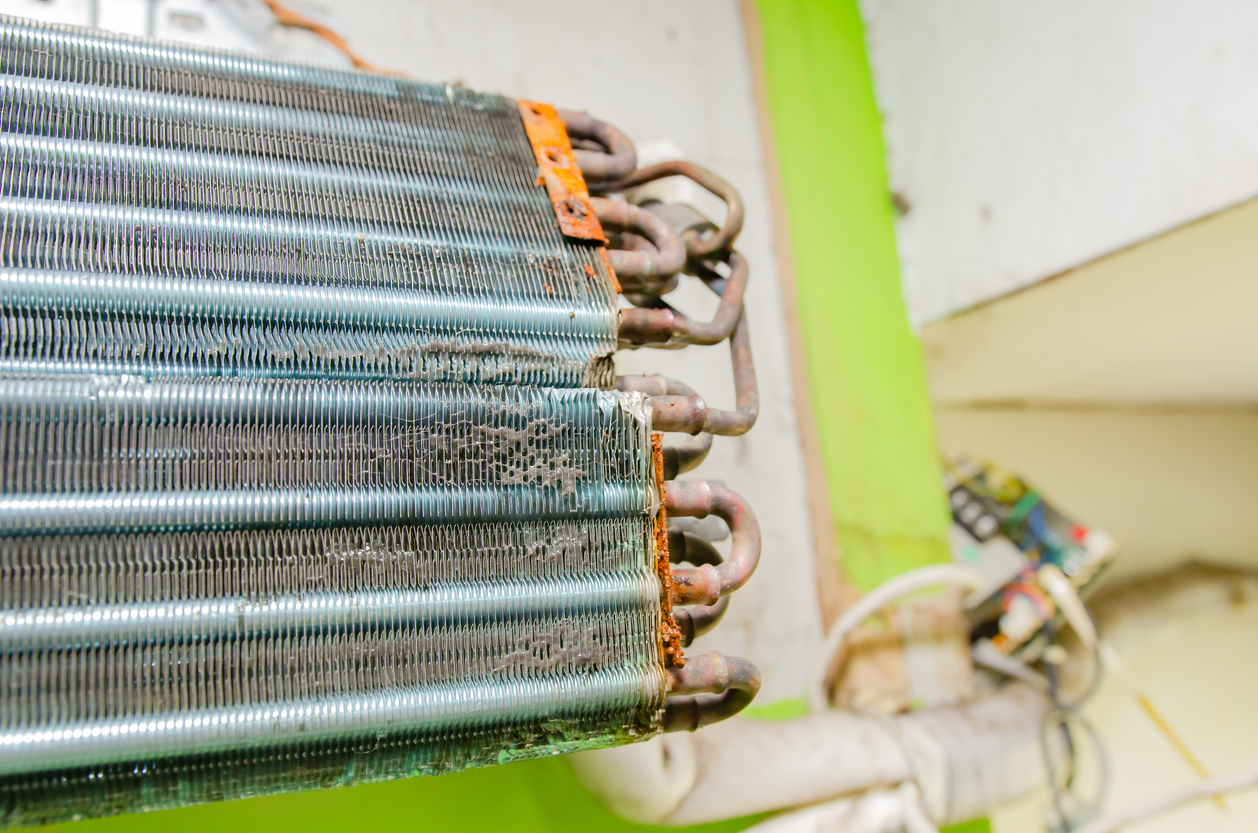
Early summer in Tampa brings a very predictable rhythm. By the time June rolls around, our local afternoon temperatures consistently hover in the low nineties, the sea breeze brings a steady flow of dense tropical air across Hillsborough County, and severe afternoon thunderstorms become a daily event. To keep your family comfortable, your central air conditioning system has to run long, demanding cycles. But many local homeowners walk out to their garage, check their utility closet, or glance at their outdoor unit only to discover a shocking sight: despite the outdoor heat, their indoor cooling coils or copper refrigerant lines are completely covered in a thick layer of white, solid ice.
Discovering a frozen air conditioner in the middle of a hot Florida summer feels completely backward. Many people assume that a frozen system simply means the unit is cooling extra hard or that they should just let it run until the ice melts on its own. In reality, a frozen evaporator coil is a critical mechanical failure that cuts off all indoor airflow, strangles your system’s efficiency, and risks permanent equipment damage. The Comfort Authority has been serving families across the Tampa Bay area for years with elite, honest, and scientifically grounded comfort solutions. This guide breaks down the everyday physics of why an AC system freezes up in the early summer and the cleanest ways to resolve the issue.
How an Air Conditioner Makes Ice
To understand why a system freezes up on a ninety-degree day, you have to look at the relationship between your system’s refrigerant chemical temperature and the volume of indoor air moving across its metal coils.
Your indoor evaporator coil matrix is designed to sit right around forty to forty-five degrees Fahrenheit. As warm, humid air from your living room is pulled across these cold copper tubes, the refrigerant absorbs the sensible heat from the air, while the airborne water vapor condenses into liquid droplets that slide down into your drain line.
However, if something restricts the flow of warm household air across those coils, or if the internal pressure of the chemical coolant drops below factory specifications, the surface temperature of the metal will plunge below freezing. The running water condensation instantly turns to ice. Once a thin sheet of ice forms, it acts like an insulating blanket, trapping the cold inside the pipe. The ice then grows exponentially, completely blocking all air from passing into your ductwork and causing your home vents to blow warm, weak drafts.
Common Early Summer Bottlenecks That Trigger Coil Freezes
When our intense tropical weather hits its stride in early summer, any existing mechanical or maintenance weakness inside your cooling grid will cause the system to freeze up under the pressure.
Airflow Restrictions: Suffocating Your Cooling Matrix
The most common everyday cause of a frozen evaporator coil is a simple lack of airflow. If your indoor fan cannot pull enough warm air across the metal loops, the stagnant cold will cause the line to freeze rapidly:
- Neglected, Dust-Choked Air Filters: After months of spring operation, your indoor air filter fills up with dust, pollen, and pet hair. A heavily clogged filter acts like a brick wall, choking off the air stream and causing immediate frost accumulation.
- Closed or Blocked Supply Vents: Closing off too many bedroom vents or blocking your primary return grilles with heavy furniture destroys your system’s internal static pressure, starving the cooling matrix of the heat it needs to run safely.
- Thick Dust Layers on the Evaporator Coil: If a household skips routine maintenance, a fine blanket of household dust and biological film will coat the aluminum fins of the indoor coil, creating a barrier that blocks heat transfer.
Refrigerant Leaks: Low Pressure Means Freezing Temperatures
Another major trigger for an early summer ice storm is low chemical coolant levels. A very common misconception is that an air conditioner naturally consumes refrigerant like a car burns gasoline. In reality, your AC operates on a completely sealed chemical loop:
- Microscopic Corrosion Leaks: Over time, the high ambient humidity and salt content in our coastal air can cause microscopic pitting or chemical corrosion along your copper lines, allowing refrigerant to slowly hiss out.
- The Physics of Low Pressure Drop: When the total volume of refrigerant drops, the pressure inside the evaporator coil drops right along with it. In thermal physics, a sharp drop in pressure causes an immediate drop in temperature, pushing the metal loops well below thirty-two degrees.
The Tampa Element: Tropical Humidity and Overloaded Drain Lines
Operating a high-performance home climate network in West Central Florida introduces unique environmental challenges that you won’t find in drier regions. Our local climate demands a highly disciplined approach to hardware protection.
How Extreme Water Volume Strains Your Safety Connections
Our intense early summer humidity means your air conditioner acts as a heavy-duty dehumidifier, wringing gallons of water out of your indoor air streams every single day. This constant river of condensation flows directly into your plastic drain pan and down a thin PVC pipe called a condensate drain line.
In our warm, damp tropical climate, this dark drain pipe becomes a perfect breeding ground for thick biological algae and mold slime. If you skip your seasonal maintenance check, this gooey slime will plug the pipe completely. When the drain line clogs, the rising water triggers your safety float switch, cutting off power to your system. If a cut-rate contractor bypasses that safety switch, the water will overflow, soaking your drywall and allowing ice to build up completely unmonitored behind your utility doors.
The Immediate Response: How to Safely Thaw Your System
If you discover that your indoor or outdoor cooling lines are covered in solid ice, you need to act immediately to prevent permanent structural and mechanical damage. Continuing to run the system will only worsen the ice buildup and push your equipment toward a total failure.
1. Shut Off the Cooling Power
Walk over to your thermostat and turn the system setting completely OFF. This stops the outdoor compressor from pumping fluid against a blocked line, which protects the motor from an expensive, permanent burnout.
2. Force the Fan to Melt the Ice
Switch your thermostat’s blower fan setting from “Auto” to ON. This keeps your indoor fan running continuously without activating the cooling cycles. The fan will push warm household air across the frozen indoor coils, melting the ice block naturally.
3. Replace the Air Filter
While the system is thawing, check your indoor air filter. If it is packed with dust, dander, or pet hair, throw it away and install a fresh, clean replacement immediately so the system can breathe freely once the airways are clear.
4. Monitor the Melt and Call a Professional
Keep a close eye on your indoor utility closet or garage floor. The melting ice will create a large volume of water that can overflow if your drain pan is dirty. Once the system is completely clear of ice, call a trusted local specialist to perform a professional diagnostic check to locate and repair the underlying airflow or refrigerant issue.
Critical Homeowner Warning: Never attempt to scrape, hack, or pick ice off your copper cooling lines with a knife, screwdriver, or hammer. The aluminum fins and copper tubes inside your evaporator coil are incredibly delicate. One slip can puncture the line, venting expensive refrigerant into your home and turning a simple maintenance check into a costly, full-system replacement.
Breaking the Cycle of Early Summer Cooling Failures
Investing in your home’s central cooling infrastructure is the most effective way to lower your monthly TECO or Duke Energy expenses and eliminate sudden summer breakdown anxiety. While basic tasks like keeping your air filters clean and ensuring your indoor vents stay open are great household habits, diagnosing delicate chemical leaks, running high-voltage electrical safety checks, and executing deep chemical coil washouts require specialized trade certification. Continuing to force a frozen, overtaxed air conditioner to struggle against blocked pathways or low pressure is a dangerous gamble that guarantees inflated power bills, permanent compressor destruction, and messy water damage to your ceilings. Making the proactive choice to schedule a precision early summer audit ensures your equipment breathes freely, runs efficiently, and keeps your family safe, dry, and perfectly cool through the warmest afternoons of the year.
Secure Your Summer Peace of Mind in the Tampa Bay Area
You do not have to struggle with sudden system cutouts or worry about hidden water damage inside your walls. The friendly, highly trained team at The Comfort Authority specializes in advanced airflow balance, digital leak detection, and precision cooling grid modernizations for families across the Tampa Bay area. Let our team restore perfect, uniform efficiency to your home climate system before the peak of summer hits.
Reach out today to get your AC repair service scheduled!
Get Started Today
Reach Out to Schedule Service
Contact The Comfort Authority today. From heating and cooling to plumbing repairs, sewer services, and drain solutions, our team delivers quick, professional service you can count on. Schedule your appointment now and experience prompt, reliable care for your entire home. Don’t wait, make sure your comfort systems are in the best hands.