


Proudly Serving The Tampa Area




4.9

Trusted by 1922+ Customers
Understanding Different Types of Freon and AC Refrigerant
Delivering Comfort, Health, and Peace of Mind To Your Home
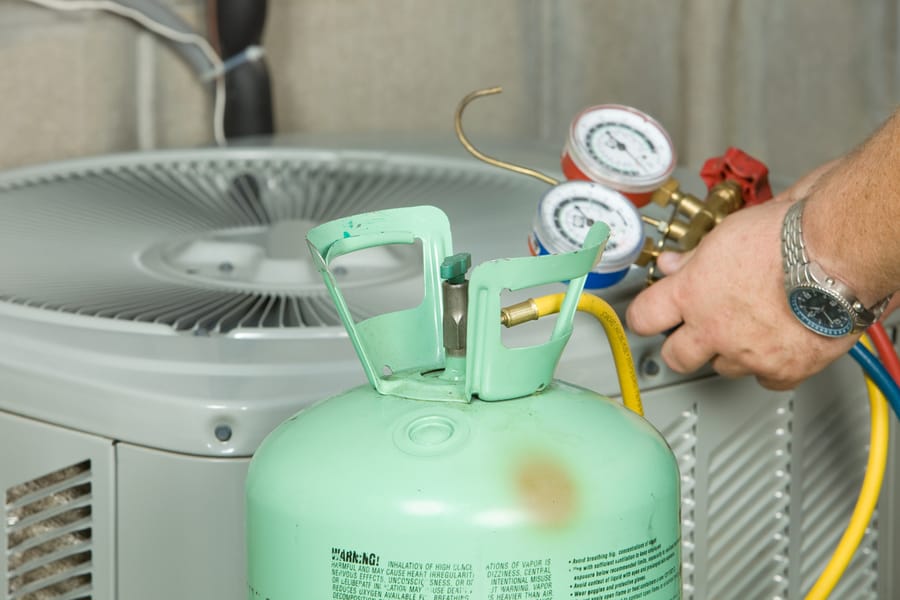
Staying cool indoors depends on more than just a reliable air conditioner; it also relies on the type of refrigerant circulating through the system. Often referred to as Freon, this chemical compound is what absorbs heat from inside your home and releases it outdoors, making cool, comfortable air possible.
Over the years, several different types of Freon for AC systems have been developed, each with its own benefits, drawbacks, and environmental impact. From older home refrigerant types that are being phased out to modern alternatives designed to be safer and more efficient, it’s important to know what’s in your system. In this guide, we’ll break down the different types of home AC refrigerant, explain how they work, and highlight what homeowners should know about maintenance, replacements, and upcoming changes in refrigerant standards.
What is AC Refrigerant (Freon)?
AC refrigerant, or Freon, is the chemical compound responsible for making cooling possible. It works by absorbing heat from inside your home and releasing it outdoors, keeping your space comfortable even on the hottest days. Refrigerants play this role by cycling between liquid and gaseous states, a process that allows them to transfer heat efficiently. This makes them essential not only for air conditioners, but also for refrigerators and heat pumps.
Over time, several different types of home AC refrigerant have been introduced, each with unique properties and environmental impacts. While many homeowners still call all refrigerants “Freon,” modern systems often use newer home refrigerant types like R-410A or R-32 that are safer for the environment and more efficient than older options like R-22.
Freon vs. Refrigerant: Understanding the Different Types
Freon is a brand name that has become a common way of referring to AC refrigerant, but not every refrigerant on the market is technically Freon. The original Freon products, including R-12 and R-22, were widely used for decades in home air conditioning systems. Because of their ozone-depleting properties, however, these refrigerants are now being phased out and replaced with safer alternatives.
Today, the most common types of Freon for AC systems include R-410A and R-32. These newer options are designed to cool effectively without damaging the ozone layer, and R-32 also offers a lower global warming potential. In some cases, blends like R-407C are also used as transitional refrigerants. Understanding the different types of Freon helps homeowners know which refrigerant their system relies on and what to expect if repairs or replacements are needed.
Which Types of Freon Work Best for Your AC?
Not every air conditioner is designed for the same refrigerant, which is why understanding the types of Freon for AC systems is so important. When choosing the right option for your home, keep these key factors in mind:
- System Compatibility: Each AC unit is built for a specific refrigerant. Using the wrong type can cause major damage or reduce efficiency, so always check your system label or consult a technician.
- Environmental Impact: Older refrigerants like R-22 harm the ozone layer, while modern alternatives such as R-410A and R-32 are safer for the environment. R-32 also offers a lower global warming potential.
- Efficiency: Some refrigerants cool more effectively while using less energy, helping lower electricity bills and improve comfort.
- Regulations: Refrigerant standards change over time, with certain types phased out or restricted. Knowing the rules can save you from costly upgrades later.
By weighing these factors, you can make a smarter decision about which refrigerant is best for your system now and in the future.
How Should Home AC Refrigerant Be Maintained and Handled?
Handling HVAC refrigerants requires professional expertise. It is crucial to have your air conditioning system serviced by qualified professionals who understand the specifics of refrigerant types and their respective handling and disposal procedures. Regular maintenance checks will ensure your system uses the appropriate type of refrigerant and operates efficiently.
Here are a few key points to keep in mind:
- Professional Handling Only: Refrigerants should never be managed by homeowners. Licensed HVAC professionals have the tools and certifications required for safe handling.
- Leak Detection and Repairs: Routine service checks can catch refrigerant leaks early, preventing system damage and wasted energy.
- Proper Disposal: Old or phased-out refrigerants, such as R-22, must be collected and disposed of responsibly to protect the environment.
- System Efficiency: Correct refrigerant levels improve cooling performance, reduce electricity costs, and extend equipment life.
- Regulation Compliance: EPA guidelines and local rules dictate how refrigerants can be used and replaced, so staying up to date prevents costly fines or repairs.
The Bottom Line on Home Freon Types
Understanding the different types of AC refrigerant is essential for homeowners and businesses who want to keep their systems running efficiently while staying within today’s environmental guidelines. From older refrigerants like R-22 that are being phased out to modern options such as R-410A and R-32, knowing what your system uses helps you plan for maintenance, repairs, or even a full upgrade when the time comes. Choosing the right refrigerant not only protects your equipment but also supports energy savings and a smaller environmental footprint.
If you’re unsure about which refrigerant is best for your system, or if you need routine maintenance, don’t hesitate to reach out to The Comfort Authority. Our team of experts is ready to provide you with the best solutions tailored to your needs. Contact us today to learn more about our services and how we can help keep your space comfortably cool.
AC Refrigerant FAQs for Homeowners
Why does the type of refrigerant in my AC system matter?
The type of refrigerant affects efficiency, environmental impact, and repair costs. For example, R-22 is expensive and hard to find, while R-410A and R-32 are widely available and safer for the environment. Knowing your refrigerant type helps you plan ahead for maintenance or replacement.
What happens if I use the wrong type of Freon in my AC?
Using the wrong refrigerant can damage the compressor, reduce efficiency, and even make the system unsafe. AC units are engineered for specific refrigerants, so only a licensed HVAC technician should handle charging or switching refrigerant types.
Are there newer refrigerant options coming to replace today’s common types?
Yes. While R-410A is widely used now, it is being phased down due to its high global warming potential. Alternatives such as R-32 and R-454B are becoming more common because they cool effectively with less environmental impact.
How can I tell if my AC needs more refrigerant?
Signs include warm air blowing from vents, ice buildup on the evaporator coil, or longer cooling cycles. However, low refrigerant usually signals a leak, which requires professional repair — simply “topping off” refrigerant isn’t a long-term fix.
Is it more cost-effective to keep an older system with R-22 or replace it?
In most cases, replacement is the better investment. Because R-22 is no longer manufactured, it is very expensive and harder to source. Upgrading to a modern system designed for R-410A or R-32 can lower energy bills, reduce repair costs, and provide long-term reliability.
|
Refrigerant |
Where It’s Found |
When to Use |
Pros |
Cons |
|
R22 (Freon) |
Older residential AC systems (being phased out) |
Only for servicing existing older units — not for new installs |
Reliable performance; familiar to many technicians |
High environmental impact; being phased out |
|
R410A (Puron) |
Most common in newer home & light commercial AC systems |
Good option for current standard systems still widely available |
Widely available; no ozone depletion |
Still has high global warming potential (GWP) |
|
R454B |
Newer systems replacing R410A for eco-friendly performance |
Best for new installations aiming for greener alternatives |
Lower environmental impact than R410A |
Newer, may not be as widely available yet |
|
R32 |
Growing use in residential AC for lower environmental impact |
Choose for new systems focused on sustainability and efficiency |
Lower GWP; more eco-friendly option |
Mildly flammable; limited current adoption |
|
R134a |
Primarily automobiles, some newer HVAC systems |
Mainly for vehicles; only in select HVAC applications |
Safe in terms of toxicity and flammability |
Not common in home AC; mainly for cars |
Get Started Today
Reach Out to Schedule Service
Contact The Comfort Authority today. From heating and cooling to plumbing repairs, sewer services, and drain solutions, our team delivers quick, professional service you can count on. Schedule your appointment now and experience prompt, reliable care for your entire home. Don’t wait, make sure your comfort systems are in the best hands.