Tampa's HVAC Services | License #: CAC1818057A
Plumbing License | License #: CFC1433906

Back to Blog
Why Your Home Feels Humid in the Winter in Tampa
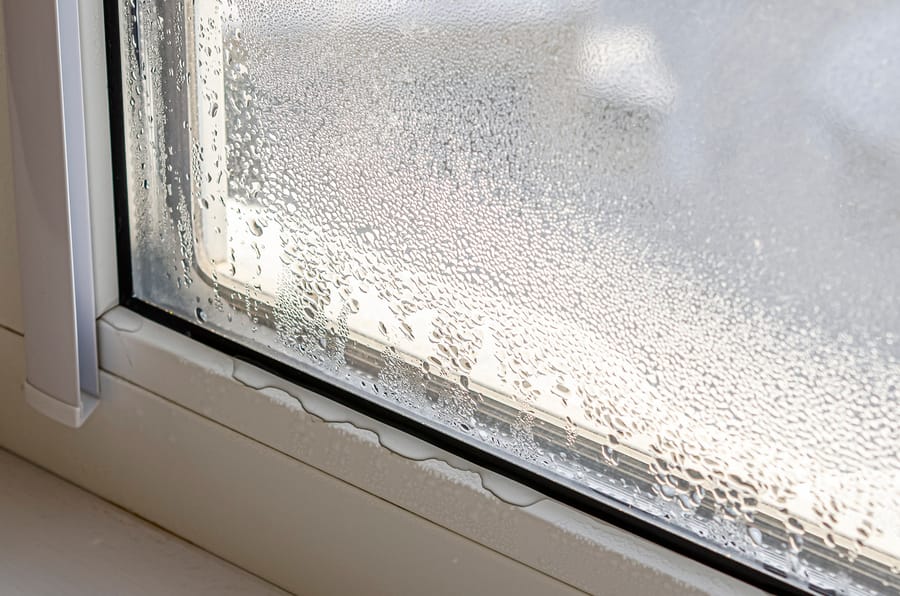
When homeowners in colder climates think of winter, they think of dry, static-filled air. In Tampa, however, our winter reality is often the exact opposite. Even when the temperature drops into the 50s or 60s, many residents find themselves dealing with a home that feels damp, sticky, and mysteriously muggy. This “winter humidity” isn’t just a comfort issue; it can lead to musty odors, mold growth, and a home that feels colder than it actually is.
At The Comfort Authority, we know that Florida’s climate follows its own rules. In Tampa, your HVAC system has to be a master of moisture management 365 days a year. When your home feels humid during the cooler months, it is usually because the natural balance between temperature and moisture has been disrupted. In this guide, we will explore why Tampa winters are so uniquely humid and what you can do to reclaim your home’s comfort.
The Heat Pump Dilemma in Mild Weather
Most homes in the Tampa Bay area rely on heat pumps for both cooling and heating. While these systems are incredibly efficient, they have a specific weakness when it comes to managing humidity during a Florida winter.
Shorter Run Times
The primary way an HVAC system removes moisture is by running long enough for the coils to condense water out of the air. During the peak of summer, your AC runs for hours at a time, effectively dehumidifying your home.
-
The Heating Cycle: When you switch to heat, the process is different. The heating cycle is naturally shorter because it takes less energy to move the temperature from 65 to 72 degrees than it does to move it from 95 to 75.
-
Lack of Dehumidification: Because the heater reaches its target temperature so quickly, it doesn’t run long enough to remove moisture. This leaves you with warm air that is still saturated with Florida humidity.
-
Warm Air Capacity: Physics dictates that warm air holds more moisture than cool air. As your heater warms the indoor air, it increases the air’s “capacity” for water, which it pulls from your kitchen, bathroom, and even your own breath.
The Problem with Oversized Systems
If your HVAC system is too large for your home, this problem is amplified. An oversized unit will “blast” your home with heat and shut off in just a few minutes. This “short-cycling” prevents any significant moisture removal, leaving your home feeling clammy and oppressive.
Everyday Activities and “Sealed Home” Syndrome
In the summer, we keep our homes sealed to save on energy. In the winter, when the Tampa air finally turns pleasant, we often keep the windows closed to maintain that perfect indoor temperature. However, this creates a “closed loop” where moisture has nowhere to escape.
Moisture-Producing Habits
Without the constant dehumidification of a long AC cycle, your daily activities can quickly overwhelm your indoor air quality:
-
Cooking and Steam: Boiling water for pasta or even using the stovetop adds several pints of water to the air. If you aren’t using your range hood fan, that moisture stays in your living space.
-
Hot Showers: We tend to take longer, hotter showers when it’s cool outside. If your bathroom exhaust fan is weak or isn’t running, that steam migrates into your bedrooms and closets.
-
Indoor Laundry Drying: If you air-dry clothes or have a dryer vent that is partially clogged, you are pumping gallons of water vapor into your home’s air.
The “Damp Slab” Effect
Many Tampa homes are built on concrete slabs. During our humid winter rains, the ground beneath your home becomes saturated. Concrete is porous and can “wick” that moisture upward into your home. If your HVAC system isn’t running long enough to combat this rising vapor, your floors and baseboards can begin to feel cool and damp to the touch.
HVAC Faults That Spike Winter Humidity
Sometimes, the humidity isn’t just a result of the weather; it is a sign that a component in your system has failed or is struggling.
Ductwork Leaks and Attic Air
Your ductwork is the circulatory system of your home. If there are cracks or loose connections in your attic or crawlspace, your system will pull in unconditioned air.
-
Infiltrating Moisture: Even on a “cool” day in Tampa, the humidity in your attic can be 80 percent or higher. If your return ducts are pulling that air in, your home will feel humid regardless of your thermostat setting.
-
Pressure Imbalances: Leaky ducts create a pressure difference that can actually “suck” humid outdoor air in through gaps in your windows and doors.
Dirty Evaporator Coils
Your evaporator coil is responsible for the heat exchange that removes moisture. If this coil is coated in a layer of dust and debris, it can’t perform its job.
-
Friction and Frost: A dirty coil can’t effectively pull moisture from the air, and in some cases, it can cause the system to freeze up.
-
The “Dirty Sock” Smell: When moisture sits on a dirty coil, it can grow bacteria and mold, leading to that musty, “earthy” smell that often accompanies high winter humidity in Tampa.
Strategic Solutions for a Drier Winter
At The Comfort Authority, we believe that you shouldn’t have to choose between being warm and being dry. There are several professional strategies we use to balance Tampa’s unique winter climate.
Whole-Home Dehumidification
For many Florida homeowners, the best solution is a dedicated whole-home dehumidifier. This unit works alongside your HVAC system but operates independently of the heating and cooling cycles.
-
Targeted Control: You can set your desired humidity (usually between 45 and 55 percent), and the dehumidifier will run only when needed, regardless of whether the heater is on.
-
Improved Air Quality: By keeping humidity low, you inhibit the growth of mold and dust mites, which thrive in our moist winter air.
HVAC Calibration and Duct Sealing
Sometimes, the fix is as simple as ensuring your system is running correctly.
-
Fan Settings: Ensure your thermostat fan is set to “Auto,” not “On.” If it is set to “On,” the fan will blow moisture that was just removed back into the house before it can drain away.
-
Professional Tune-Ups: We check your refrigerant levels and clean your coils to ensure your system is as efficient at moisture removal as possible.
-
Duct Inspection: We can identify and seal the leaks that are allowing swampy attic air into your living space.
Take Control of Your Comfort with The Comfort Authority
Tampa is a beautiful place to live, but our humidity doesn’t take a vacation just because the calendar says it is winter. If your home feels muggy, sticky, or smells musty during these cooler months, your HVAC system is sending you a signal that it needs help. High humidity isn’t just a nuisance; it affects your health, your home’s structure, and your overall quality of life.
At The Comfort Authority, we are the experts in Tampa Bay moisture management. We don’t just look at the temperature; we look at the science of your home’s air. Whether you need a precision tune-up, duct sealing, or a whole-home dehumidification solution, our team is ready to provide the 5-star service you deserve.
Contact us today to schedule your humidity assessment and experience the difference that true comfort can make.
Recent News
Why HVAC Systems Wear Out Faster in Florida Than Other States
Water Quality & Its Hidden Costs: How Tampa Water Affects Your Plumbing & Appliances
Indoor Humidity Control & Mold Prevention Guide for Florida Homes
Home Comfort Myths in Florida: What People Get Wrong About HVAC & Plumbing
Home Plumbing Emergency: What to Do While Waiting for Service
5 Signs Your Sewer Line Needs an Inspection or Repair
How to Slash Your Energy Bills in Tampa This Summer